What the 2026 World Cup Tells Us About the Future of Fandom
Thought Leadership
For decades, the sports marketing playbook was beautifully, predictably simple. It was built on tribalism. Fans wore one jersey, bought the beer that sponsored the team, and viewed the opposition as the enemy. It was a world of rigid allegiances, broadcast on linear television, and activated through standard stadium hoardings.
But as the 2026 World Cup unfolds across North America, that old playbook has become obsolete.
As we highlighted in our recent Winning Fans & Feeds report, sports have transitioned from isolated athletic events into the ultimate social-first cultural playground. Fandom is no longer just about the 90 minutes on the pitch; it’s an always-on content engine fueled by algorithmic discovery, lifestyle crossovers, and deep cultural subtext.
Look at the feeds during this World Cup, and you’ll see four profound cultural shifts that reveal where consumer behaviour is heading and how brands must adapt to keep up.
1. From Rigid Tribalism to “Inclusive Nationalism”
Historically, international football tournaments have carried an undercurrent of anxious, sometimes toxic nationalism. But on social feeds, a refreshing counter-narrative has taken over. Fandom has become a vehicle for a healthy, inclusive expression of cultural diversity and shared unity.
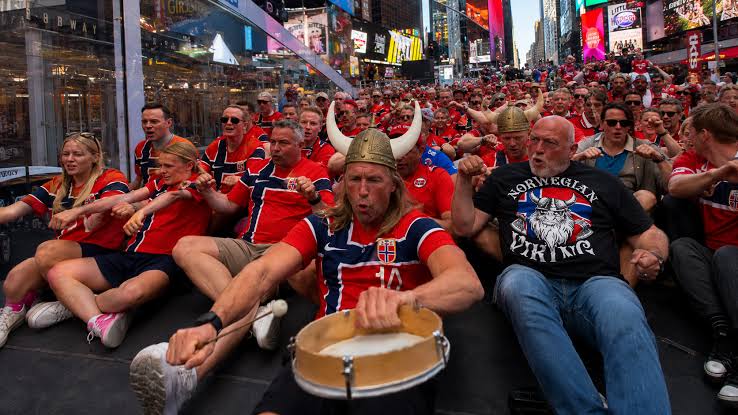
We aren’t seeing cultural silos; we are seeing cultural exchanges. Consider the viral phenomenon of the “Viking Row” celebration, which has clocked over 172 million views on TikTok. It’s no longer just a Nordic ritual; it’s a global meme adopted, adapted, and celebrated by fans of entirely different nations. In an era otherwise defined by political polarisation, the feed has turned the World Cup into a rare space where national pride is expressed through curiosity and community rather than exclusion.
Closer to home, the vocal celebration of the Socceroos’ multicultural diversity – highlighting the four team members who arrived in Australia as refugees – serves as a powerful rebuttal to the dog-whistling calls for a “monoculture” from Pauline Hanson.
2. The Rise of the “Playful Alpha” (The New Masculinity)
The archetype of the stoic, hyper-polished, unapproachable sports icon is dead. The algorithm demands “main character energy,” and today’s fans are drawn to a deeply refreshing iteration of masculinity.
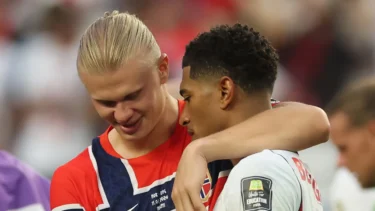
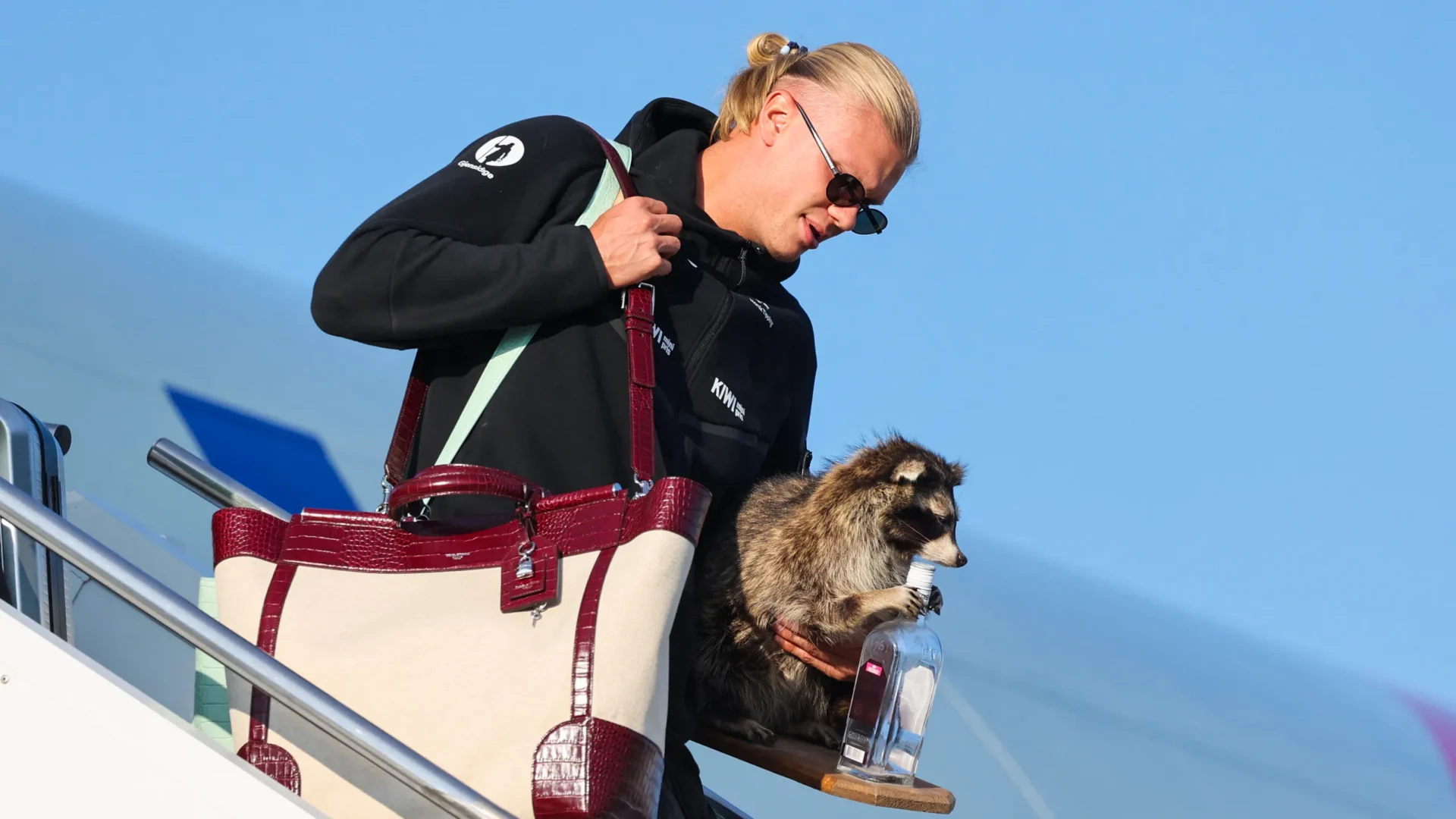
Take Erling Haaland. On paper, he is a terrifying physical specimen, a modern footballing monster. Yet, his digital footprint is defined by a joyful, caring, and unpretentious playfulness. He is just as likely to trend for a goofy Snap or a self-aware meme as he is for a hat-trick. His well-documented bromance with Jude Bellingham serves as another example of his approachable, playful persona that resonates with fans, proving he’s unafraid to show affection on or off the field, which gives fans permission to connect with their peers in the same way. This juxtaposition of elite strength with emotional transparency and silliness resonates profoundly with a younger demographic weary of curated, plastic perfection. For marketers, the lesson is clear: consumers no longer connect with flawless icons; they connect with multidimensional human beings who don’t take themselves too seriously.
3. The Pitch as a Proxy for Societal Frustration
Perhaps the most complex shift is how fans are using the tournament to litigate real-world anxieties about systemic fairness and institutional corruption. When the rules feel broken in everyday life, the pitch becomes a hyper-visible proxy war.
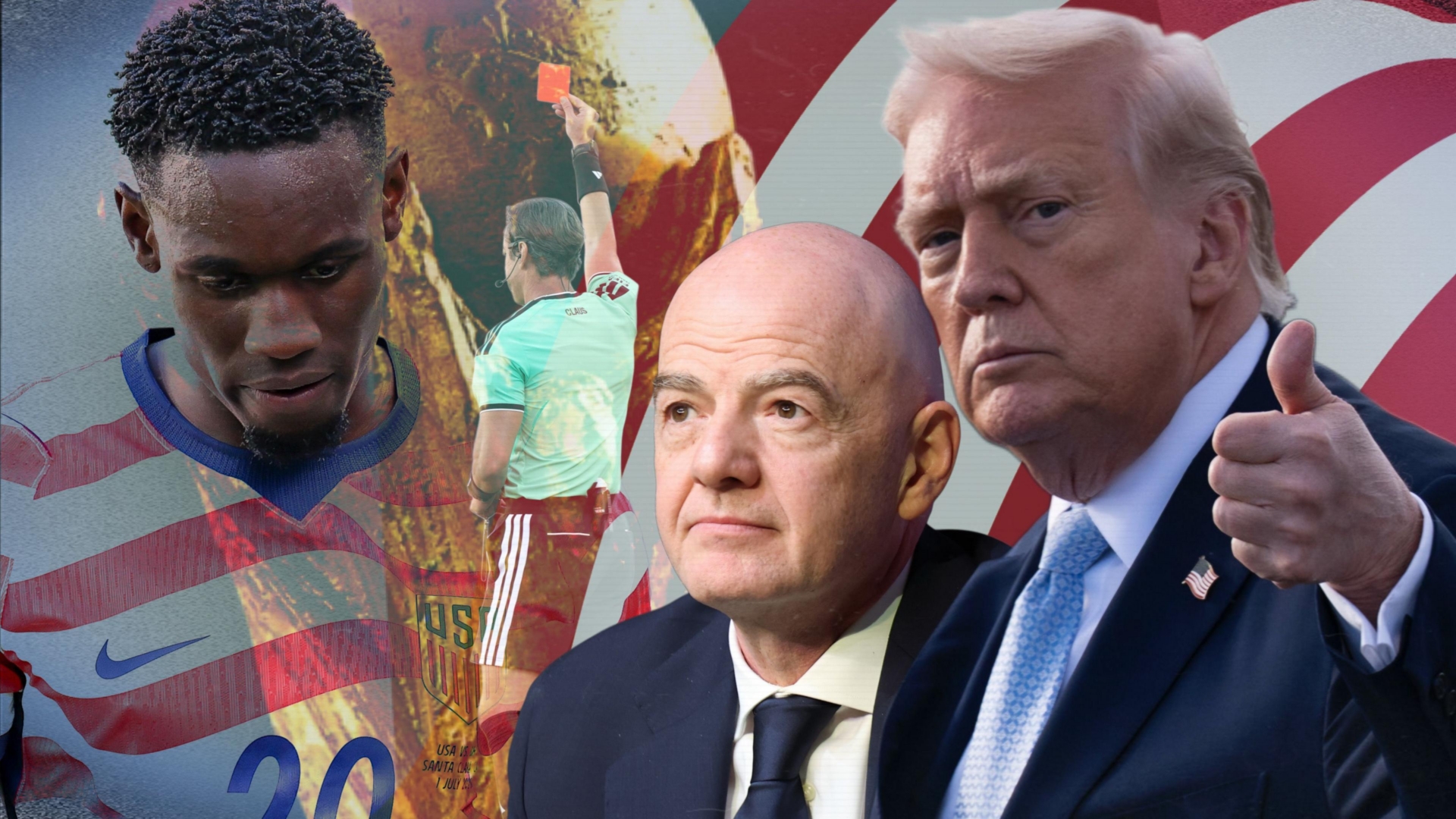
We saw this explode with “Red Card Gate” and the unprecedented Trumpian intervention that paused Folarin Balogun’s suspension, as well as the furious online backlash and trending of #Fifanic following the highly controversial officiating in the Argentina-Egypt match. The result of Red Card Gate was that the whole world got behind Belgium in their match against the US, which they ultimately won extremely convincingly, 4–1. When legendary figures like Garry Kasparov and José Mourinho publicly call out a “narrative-driven” system, it acts as a lightning rod for millions of fans who feel similarly powerless against opaque governance in their daily lives.
Social media has transformed the standard “bad refereeing” complaint into a sophisticated critique of institutional integrity. Brands entering this space must recognise that sports are no longer an “escape” from reality, but a lens through which fans process it.
4. The Algorithm Has Created the Omnivorous Fan
Underpinning all of this is a structural shift in how content is consumed. According to tournament data, a staggering 64% of people planning to watch the World Cup are casual viewers or people who don’t follow traditional football daily. They are not arriving with rigid, lifelong allegiances.
Because of TikTok, Instagram Reels, and YouTube Shorts, modern fans follow the story before they follow the team. They might nominally support the US, say, but because the algorithm served them a captivating behind-the-scenes video of a Ghanaian player, they are now buying a Ghana jersey. Fandom has become fluid, multi-layered, and decentralised.
Furthermore, the modern fan often develops deep loyalties to individual players at a club level, long before they see them in a national jersey. This preexisting affinity creates a transitive allegiance; for instance, the global profile of Rodri, the 2024 Ballon d’Or winner, brings a massive, ready-made support base from his club career that immediately confers an allegiance to Spain when the World Cup begins. Modern stars like Ronaldo or Messi are cultural icons who transcend any specific club or code. This allows them to amass personal followings larger than the teams they play for, further driving a fluid and individualised sense of fan allegiance that operates independently of borders.
The Marketer’s New Playbook
If you are a brand wanting to be part of the conversation around major sporting moments, you need to understand the conversations that fans, of all persuasions, want to have. This requires an astute understanding of the culture around the sport, the world, and the many layers of fandom. And above all, it requires listening before you speak.

 Thought Leadership